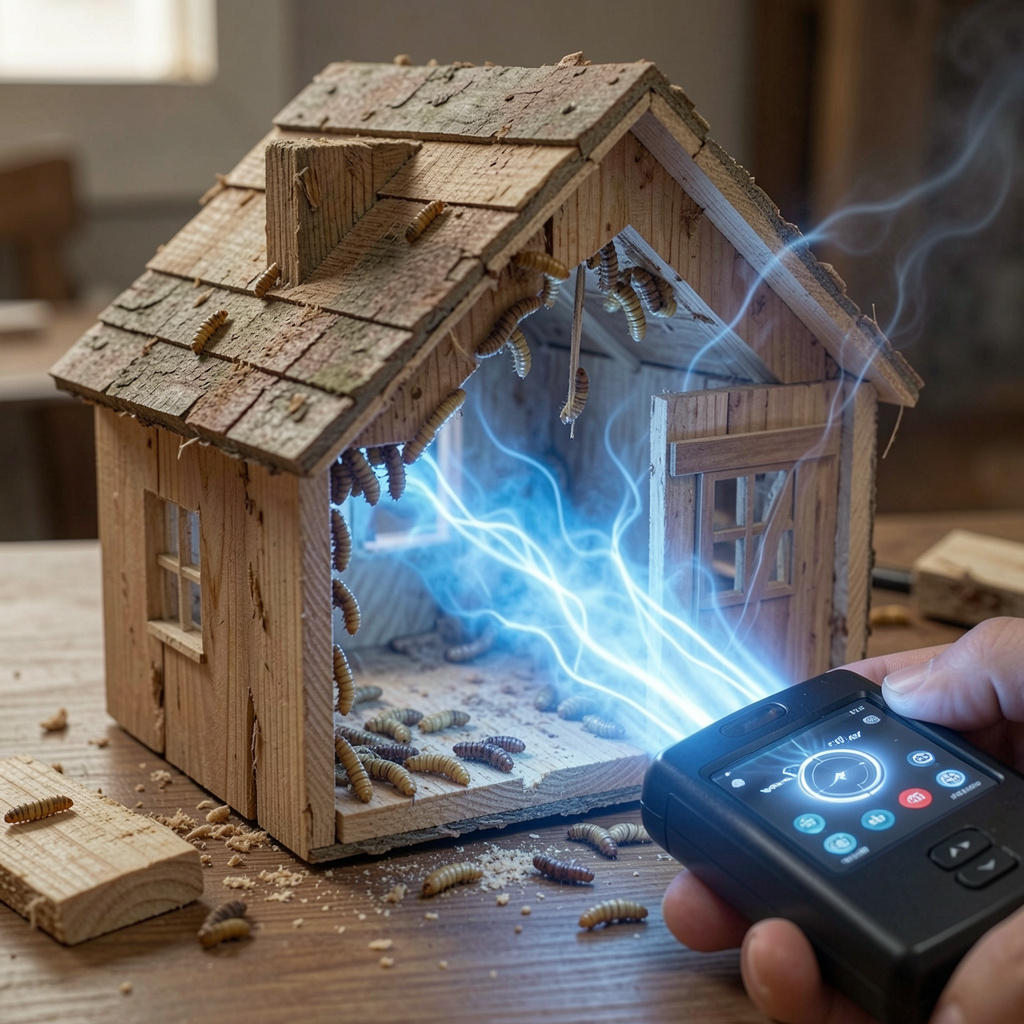
Outdoor wooden structures add beauty, functionality, and value to any property. Whether it’s a deck, pergola, fence, gazebo, garden shed, wooden bridge, or outdoor furniture, timber creates a natural and timeless appearance that complements almost any landscape. However, because these structures are constantly exposed to the elements, they are also more vulnerable to insects, moisture, fungal decay, and weather-related wear than indoor wood.
The good news is that insect damage is largely preventable. By choosing the right materials, controlling moisture, applying protective finishes, and performing regular inspections, homeowners can significantly extend the lifespan of outdoor wood. If wood-boring insects are detected, professional treatment options—including modern microwave woodworm treatment for suitable localized infestations—can help preserve valuable timber without relying solely on chemical pesticides.
In this guide, we’ll explain how to protect outdoor wooden structures from insects and keep them in excellent condition for years to come.
Why Outdoor Wood Is More Vulnerable
Unlike indoor timber, outdoor wood is exposed to:
- Rain
- Snow
- Sunlight
- Humidity
- Temperature changes
- Wind
- Ground moisture
These conditions can increase moisture levels, creating an environment that is more favorable for fungal decay and some wood-boring insects.
Common Insects That Affect Outdoor Wood
Several insects may damage exterior timber, depending on the region.
Common examples include:
- Woodworm (wood-boring beetles)
- Powderpost beetles
- Carpenter ants
- Termites (in some regions)
Not every insect that lands on wood causes structural damage, but regular inspections help identify genuine problems early.
Choose the Right Timber
The first step in protecting outdoor structures is selecting durable wood.
Depending on your project and local availability, suitable options may include:
- Cedar
- Redwood
- Larch
- Oak
- Pressure-treated timber
Choose timber that is appropriate for outdoor use and complies with local building standards.
Keep Wood Dry
Moisture is the leading cause of timber deterioration.
Protect outdoor wood by:
- Preventing standing water
- Repairing leaks quickly
- Improving drainage
- Keeping timber away from constant ground contact
- Ensuring rainwater drains efficiently
Dry wood is generally less attractive to many wood-boring insects.
Apply Protective Finishes
Exterior wood benefits from suitable protective finishes.
Depending on the application, these may include:
- Exterior wood stains
- Protective oils
- Sealers
- Paint systems
Maintain finishes according to the manufacturer’s recommendations to help reduce moisture absorption and weathering.
Improve Drainage
Poor drainage increases moisture exposure.
Ensure:
- Water flows away from structures
- Decking has proper drainage gaps
- Garden structures are not surrounded by standing water
- Gutters discharge water away from wooden features
Good drainage significantly improves timber durability.
Maintain Proper Ventilation
Outdoor structures should allow air to circulate around the timber.
Good airflow helps:
- Dry wet surfaces
- Reduce humidity
- Limit prolonged dampness
- Slow fungal growth
Avoid stacking materials tightly against wooden structures where they can trap moisture.
Inspect Regularly
Routine inspections allow you to detect problems before major damage develops.
Check:
- Deck boards
- Fence posts
- Pergolas
- Gazebos
- Sheds
- Outdoor furniture
Look for:
- Cracks
- Soft timber
- Water stains
- Small round exit holes
- Fine wood dust (frass)
- Signs of insect activity
Inspect at least once or twice each year, particularly after winter.
Keep Vegetation Under Control
Plants growing against timber can trap moisture and reduce airflow.
Maintain clearance by:
- Trimming shrubs
- Removing climbing vines
- Cutting back tree branches
- Keeping mulch away from wooden posts
This simple step helps timber dry more quickly after rainfall.
Monitor for Woodworm
Woodworm often remains hidden inside timber for years.
Common warning signs include:
- Small round exit holes
- Fine powdery wood dust
- Weak or crumbly wood
- Adult beetles during spring or summer
If these signs appear, arrange a professional inspection to determine whether the infestation is active.
Modern Woodworm Treatment Options
If an active infestation is confirmed, treatment depends on:
- Beetle species
- Severity of infestation
- Structural condition
- Accessibility
Professional options include approved chemical treatments and modern heat-based technologies.
Microwave Woodworm Treatment
One increasingly popular chemical-free option is microwave woodworm treatment.
Professional microwave equipment uses dielectric heating to generate controlled heat inside timber.
The process is designed to eliminate:
- Woodworm larvae
- Beetle eggs
- Pupae
- Adult wood-boring beetles
Benefits
- Chemical-free
- No pesticide residues
- Targeted treatment
- Environmentally responsible
- Helps preserve original timber
- Suitable for certain localized infestations in outdoor structures where conditions allow
A timber preservation specialist can determine whether this treatment is appropriate based on the structure, accessibility, and extent of the infestation.
Seasonal Maintenance Checklist
Spring
- Inspect for winter damage.
- Clean debris from decks and fences.
- Look for insect activity.
Summer
- Reapply protective finishes if needed.
- Monitor for woodworm signs.
- Trim surrounding vegetation.
Autumn
- Remove leaves.
- Improve drainage.
- Check for cracks and moisture.
Winter
- Remove excessive snow where appropriate.
- Inspect after storms.
- Watch for standing water.
Following a seasonal maintenance routine helps maximize the lifespan of outdoor timber.
Preventive Maintenance vs. Delayed Repairs
| Preventive Maintenance | Delayed Repairs |
|---|---|
| Better timber protection | Greater risk of moisture damage |
| Lower repair costs | More expensive restoration |
| Early pest detection | Hidden infestations may spread |
| Longer service life | Shorter lifespan of timber |
| Improved appearance | Increased weathering and deterioration |
Routine maintenance is almost always more economical than replacing damaged timber.
Common Myths About Outdoor Wood Protection
Myth 1: Pressure-Treated Timber Never Needs Maintenance
Fact: Pressure-treated wood offers improved protection, but it still benefits from inspections, moisture control, and proper maintenance.
Myth 2: All Holes in Wood Mean Active Insects
Fact: Exit holes may be from a previous infestation. A professional inspection can determine whether insect activity is current.
Myth 3: Outdoor Wood Doesn’t Need Regular Cleaning
Fact: Removing dirt, leaves, and organic debris helps reduce moisture retention and makes it easier to spot early signs of damage.
When Should You Contact a Professional?
Professional advice is recommended if you notice:
- Fresh frass.
- New exit holes.
- Soft or weakened timber.
- Persistent moisture.
- Fungal decay.
- Significant structural damage.
- Suspected termite activity.
- Repeated insect infestations.
A qualified timber preservation specialist can inspect your outdoor structure, identify the pest species, assess the condition of the timber, and recommend the most appropriate maintenance or treatment solution.
Conclusion
Outdoor wooden structures face constant exposure to weather and environmental conditions, making regular maintenance essential for long-term durability. By choosing suitable timber, controlling moisture, maintaining protective finishes, improving drainage, and inspecting structures regularly, homeowners can significantly reduce the risk of insect damage and extend the life of their outdoor wood.
If wood-boring insects are discovered, professional treatment—whether through approved chemical products or modern chemical-free technologies such as microwave woodworm treatment—can help protect valuable timber while preserving its appearance and structural integrity. With consistent preventive care, outdoor wood structures can remain attractive, functional, and durable for many years.Visit online https://www.shashel.eu for more details.